Checklist for first-time applicants of an L1 intracompany transfer visa
Everything You Required to Understand About the L1 Intracompany Transfer Visa: A Comprehensive Guide
The L1 Intracompany Transfer Visa functions as an essential system for multinational business aiming to reposition essential employees within their U.S. procedures. With unique categories customized for supervisors and specialized knowledge staff members, this visa presents numerous opportunities. However, steering its intricacies calls for an understanding of qualification standards and prospective hurdles. As business consider this path, they need to weigh the benefits versus the obstacles that might develop in the application procedure.
Recognizing the L1 Visa Kind: L1A vs. L1B
When navigating via the intricacies of the L1 visa, it is vital to understand the distinctions in between the 2 main classifications: L1A and L1B. The L1A visa is designated for execs and managers who are transferring within an organization to a united state office. This classification permits a much longer duration of stay, with a first duration of three years, extendable approximately seven years. In comparison, the L1B visa is intended for workers with specialized understanding who are also relocating to a united state branch. The L1B visa has a much shorter preliminary keep of 3 years, with expansions feasible approximately five years. Both visa kinds serve the function of promoting intracompany transfers, yet they cater to different duties within the business structure. Comprehending these differences is essential for employers and employees seeking to navigate the L1 visa procedure properly.
Qualification Requirements for L1 Visa Applicants
The eligibility requirements for L1 visa applicants are important for making sure a smooth transfer process. To receive an L1 visa, the candidate must have been utilized by the foreign firm for a minimum of one continual year within the last three years. Furthermore, the applicant needs to be entering the USA to work in a supervisory, exec, or specialized expertise capability.
For L1A visas, the focus gets on supervisory and executive functions, while L1B visas accommodate those with specialized knowledge. The foreign and united state business need to have a certifying partnership, such as being parent companies, branches, subsidiaries, or associates.
The U.S. company should be able and operational to sustain the candidate's role. It is crucial for applicants to give sufficient documentation, showing their qualification and the firm's structure, to help with the authorization procedure.
Advantages of the L1 Intracompany Transfer Visa
Among the key benefits of the L1 intracompany transfer visa is its capacity to facilitate smooth international mobility for workers within international business. This visa permits companies to transfer supervisors, executives, and specialized understanding staff members to their U.S. offices with relative simplicity. Additionally, the L1 visa frequently offers a longer duration of keep contrasted to other nonimmigrant work visas, with initial periods of as much as three years that can be expanded.
One more substantial advantage is the possibility of dual intent, indicating that L1 visa holders can get permanent residency while maintaining their nonimmigrant standing. Furthermore, the L1 visa does not need a labor accreditation, which can enhance the process for companies. This adaptability and performance make the L1 visa an appealing alternative for organizations looking to improve their global procedures and leverage talent across borders.
The Application Refine for L1 Visas
Steering the application process for L1 visas requires cautious preparation and focus to detail, specifically provided the advantages laid out previously. The procedure begins with the company declaring Form I-129, the Request for a Nonimmigrant Employee, which should include essential documents showing the connection between the U.S. and international entities. This documents generally comprises evidence of employment, company framework, and the applicant's certifications.
When the application is accepted, the staff member might make an application for the L1 Clicking Here visa at an U.S. consulate or consular office, offering more documents, including the approval notice and a legitimate key. It is important for the applicant to get ready for their visa interview, as consular police officers will assess their qualification based upon the submitted details.
Prompt submissions and adherence to standards greatly enhance the chances of an effective application, guaranteeing that both the employee and the company find here can gain from this important migration pathway.
Common Challenges and Limitations of the L1 Visa
What barriers might applicants encounter when going across the L1 visa procedure? One considerable obstacle is the demand to demonstrate that the applicant has actually been employed with the foreign firm for at least one continual year within the coming before three years. This can complicate issues for workers that just recently shifted to the moms and dad company or those with fluctuating work histories. In addition, the L1 visa goes you could try these out through rigorous analysis by U.S. Citizenship and Immigration Services (USCIS), which can result in delays or rejections if documents is unclear or insufficient.
Another restriction entails the inability to change employers; L1 visa holders have to stay with the sponsoring business. Moreover, the L1 visa is a momentary solution, normally legitimate for one to three years, which may not straighten with an applicant's long-lasting residency goals. For that reason, navigating via these obstacles requires cautious preparation and thorough preparation.
Often Asked Inquiries
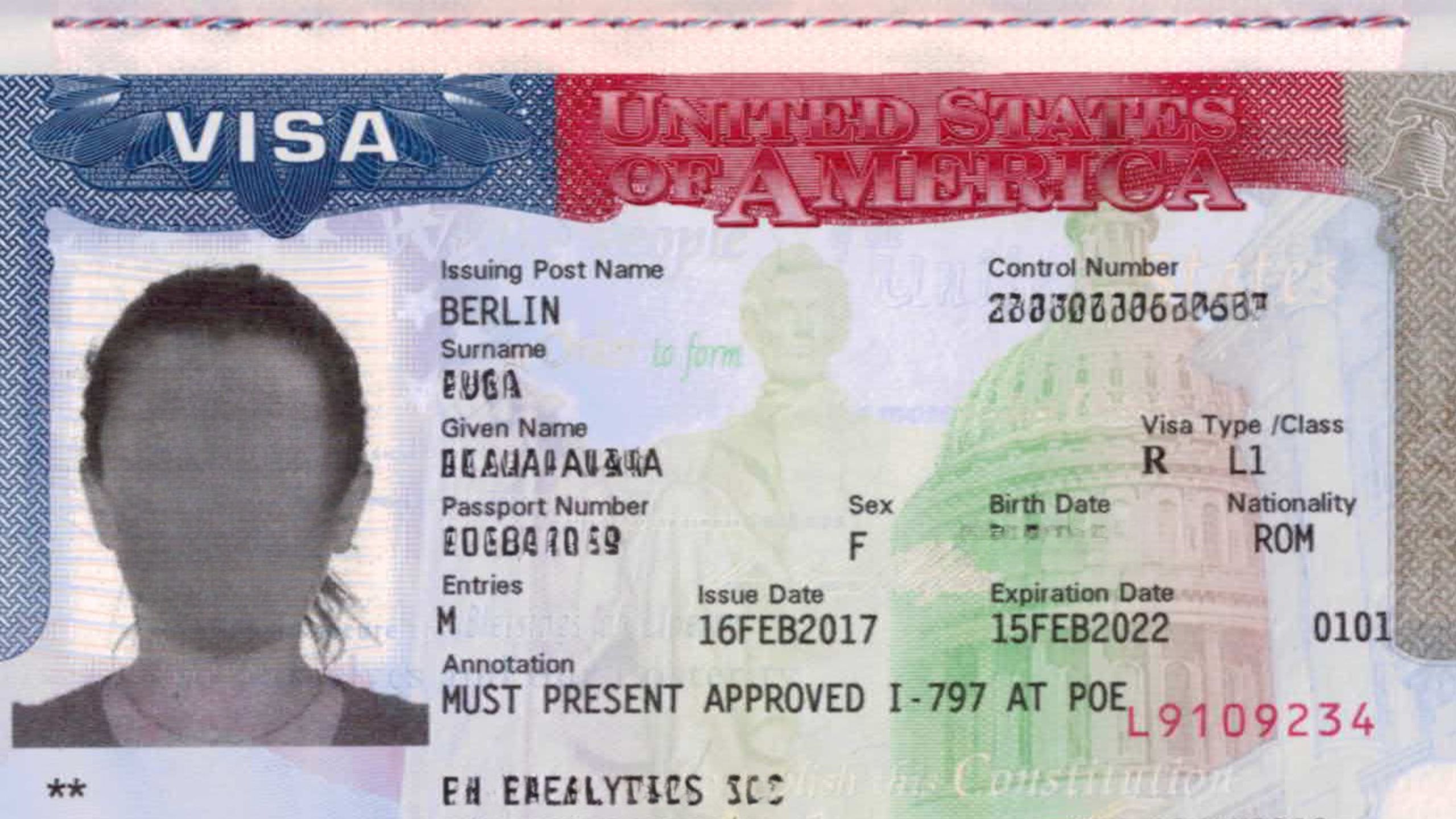
Can My Family Accompany Me on an L1 Visa?
Yes, an L1 visa holder can have their immediate family accompany them - L1 intracompany transfer visa. Partners and youngsters under 21 might get L2 visas, permitting them to research and live in the USA together with the L1 visa holder
For How Long Can I Stay on an L1 Visa?
An L1 visa holder can originally remain for as much as three years. This period might be prolonged, with L1A visa holders eligible for an optimum of 7 years and L1B holders for five years in total.
Is There a Limit on L1 Visa Renewals?
There is no certain restriction on L1 visa renewals; nonetheless, the overall period of remain is covered. L1A holders can stay for an optimum of 7 years, while L1B holders are limited to five years.
Can I Switch Over Jobs While on an L1 Visa?
Changing work while on an L1 visa is usually not permitted. The visa is employer-specific, needing the individual to preserve work with the funding business, unless they acquire a brand-new visa under a various company.

What Takes place if My L1 Visa Is Refuted?
The candidate may obtain a rejection notice outlining the factors if an L1 visa is refuted. They can appeal the decision, reapply with more powerful evidence, or explore different visa choices for entry
The L1 Intracompany Transfer Visa offers as an essential device for multinational firms looking to reposition key workers within their U.S. procedures. To qualify for an L1 visa, the candidate must have been used by the foreign business for at least one continual year within the last three years. For L1A visas, the emphasis is on executive and supervisory duties, while L1B visas cater to those with specialized knowledge. The L1 visa is a short-term remedy, typically legitimate for one to 3 years, which may not straighten with a candidate's long-term residency goals. An L1 visa holder can originally remain for up to 3 years.